Wild Towns
Our Wild Towns project connects people throughout the watershed with their local trees, enhances urban tree canopies, and installs and maintains municipal food forests to promote nutrition, beautification, local cooling, and biodiversity. With only a handful of (noninvasive) exceptions, we choose native tree species in appreciation of the special contributions they make to local ecology.
Check out our interactive map on our About page to see the different places where Wild Towns is having an impact.
Featured Towns
In Hancock and Cumberland Maryland, we’ve organized an event series called Connecting with Local Trees — this series brings people together to PLANT, TEND, GATHER, and SHARE in relationship with their local trees. The series includes free tree planting events, tree medicine/tree care workshops, tree identification walks, and tree food cooking demonstrations.
In Brunswick, Maryland and Purcellville, Virginia, we’re we’re enhancing the riparian tree canopy and helping expand and care for community food forests in each location.
To stay in the loop about our gatherings, sign up on our interest list and we’ll always let you know what events are coming up next in the towns we work in.
Wild Towns events include:
Community Tree Plantings
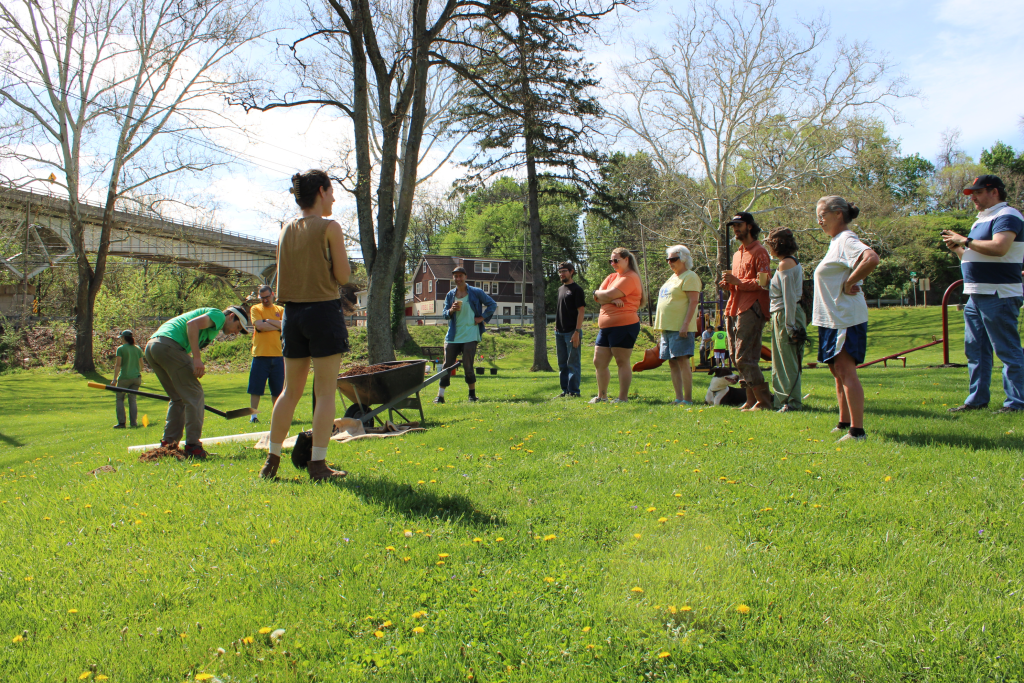
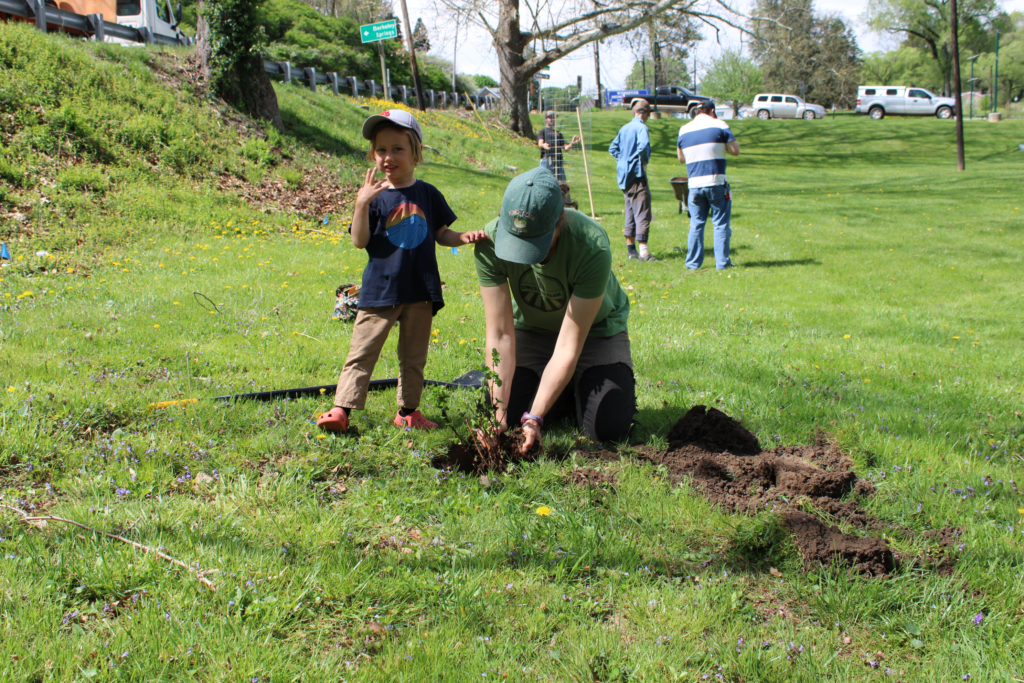
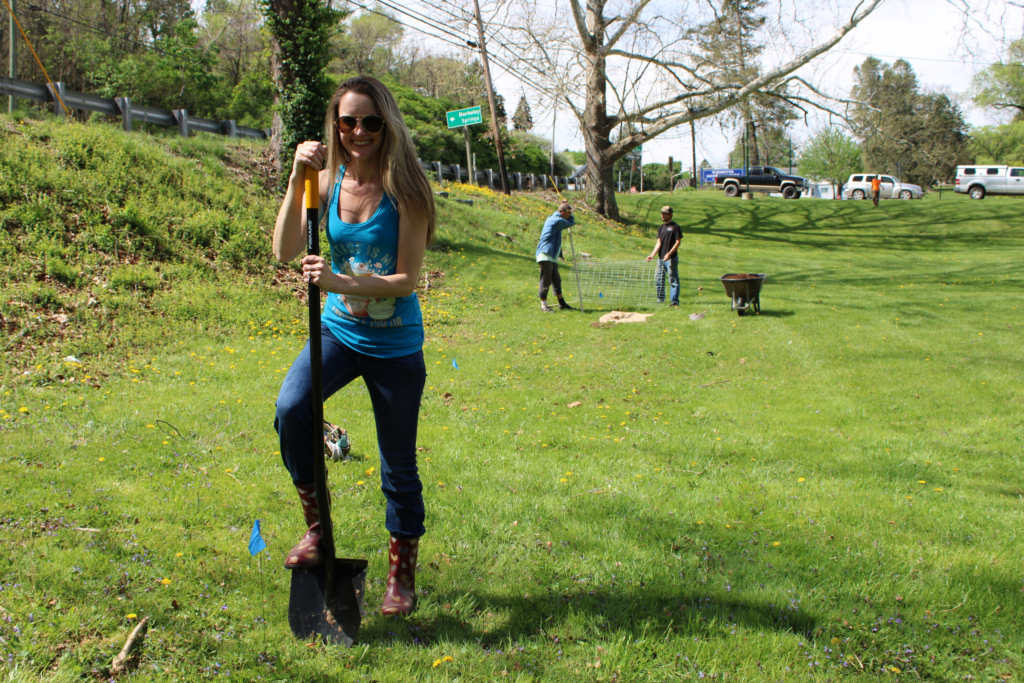
In April we planted a demonstration food forest made up of 15 different native trees and shrubs in Widmeyer Park in Hancock, MD and the same in Gene Mason Sports Complex in Cumberland, MD. At each tree planting, we were fortunate to have many different folks show up to help beautify their local park and meet each other — from school teachers, to avid gardeners, community service volunteers, and the local news. As the trees and shrubs grow, they will eventually produce food for people and wildlife in a place that’s easily accessible and frequently used.
Forest Medicine & Tree-Tending Workshops
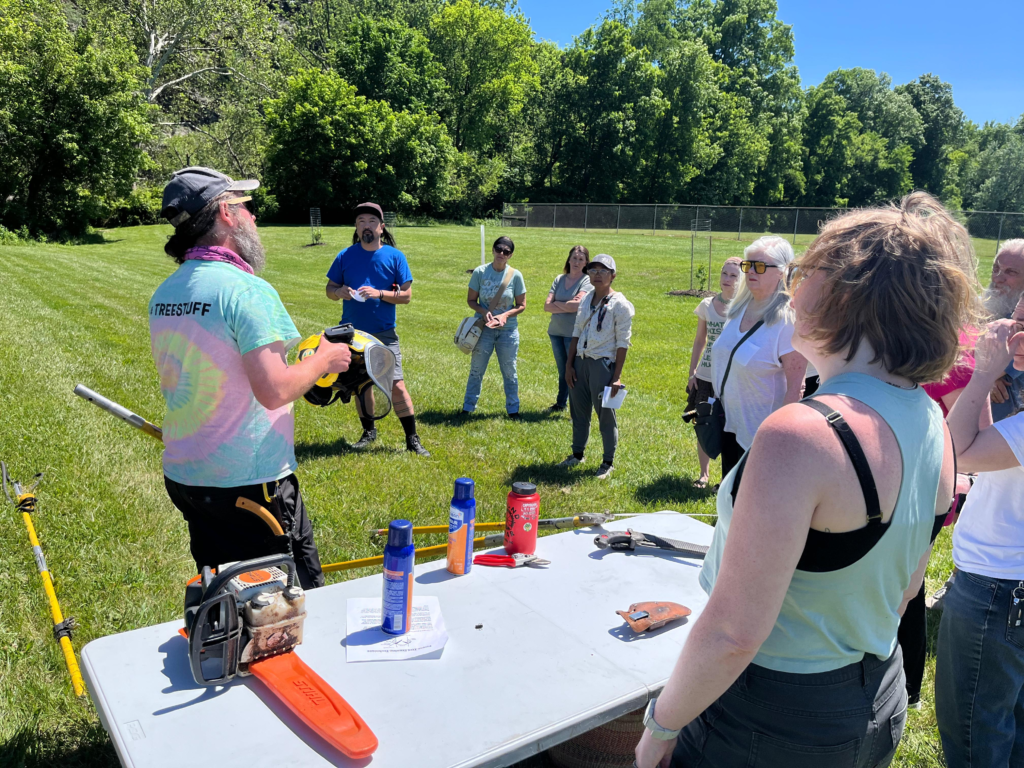
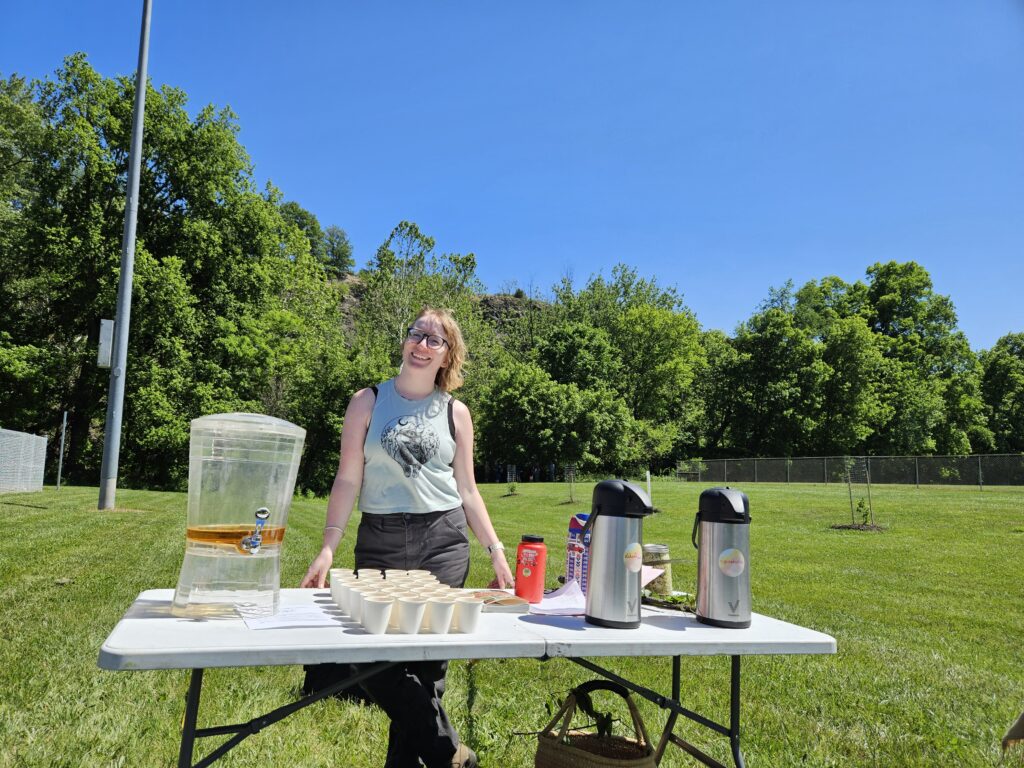
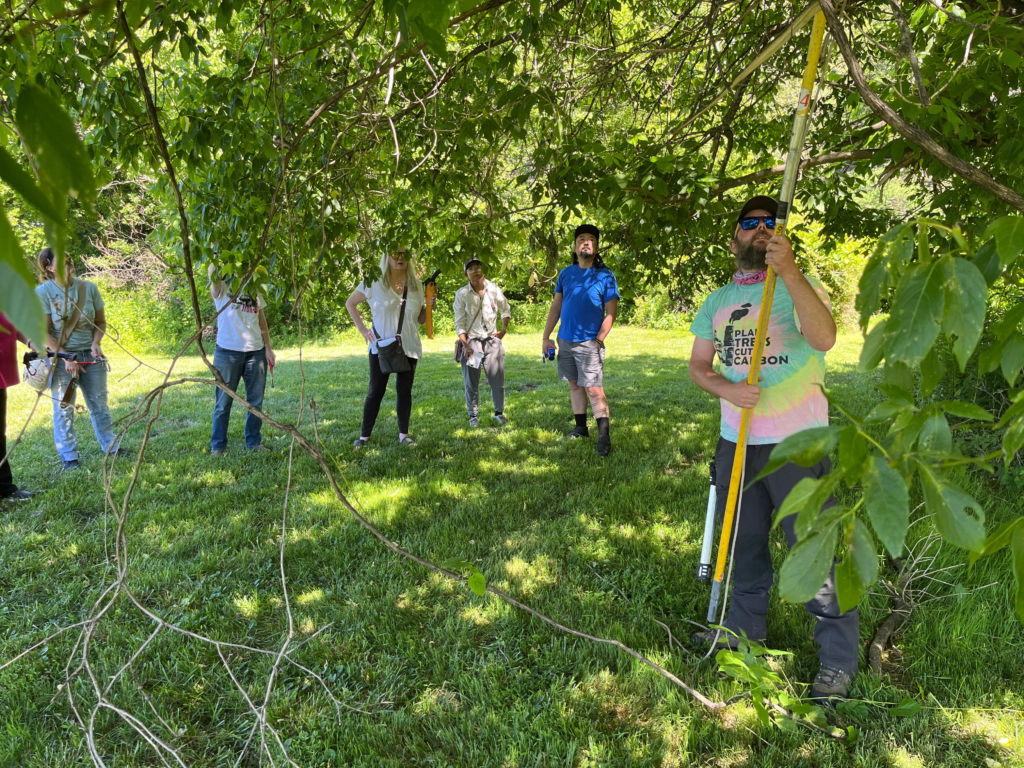
In May we organized an event back in Gene Mason Sports Complex called Forest Medicine & Tree Tending, where we featured two local teachers: community herbalist Emma Taylor from High Bridge Herbs and arborist David Yake. David, along with Ted from Maryland DNR, helped us learn about which trees were growing along the forest line and how we can approach pruning growing trees in a safe and supportive manner. Then, Emma led rounds of tasting and learning based on three different infusions she made from what is locally available: spicebush, elderflower, and wild cherry. Participants got to leave with a forest medicine zine made by Emma and packed full of facts on the history, benefits, and recipes for each plant.
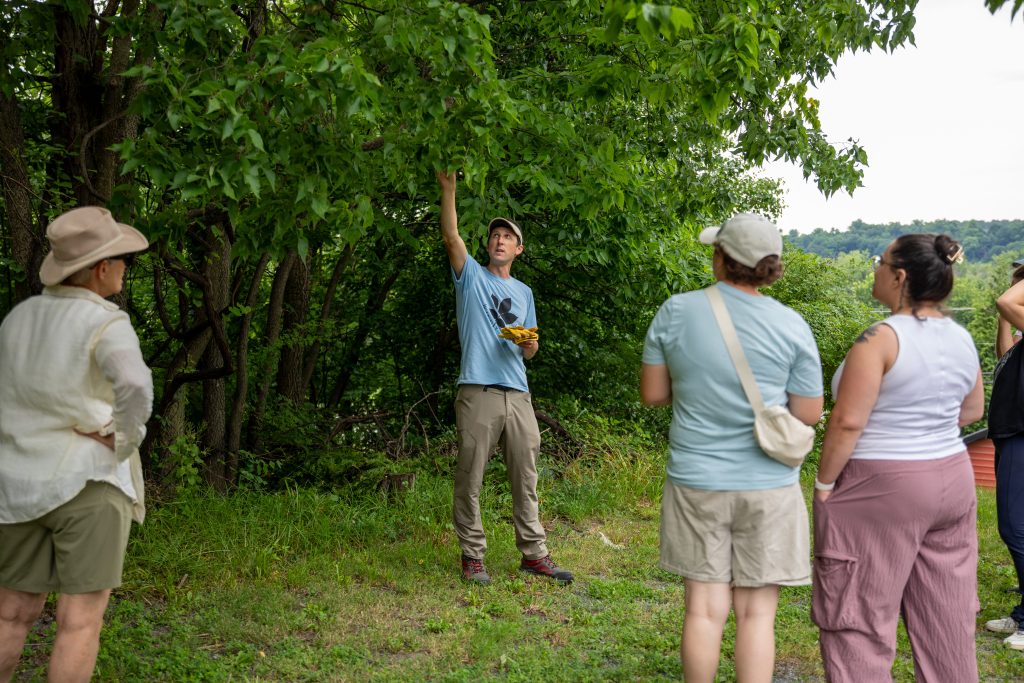
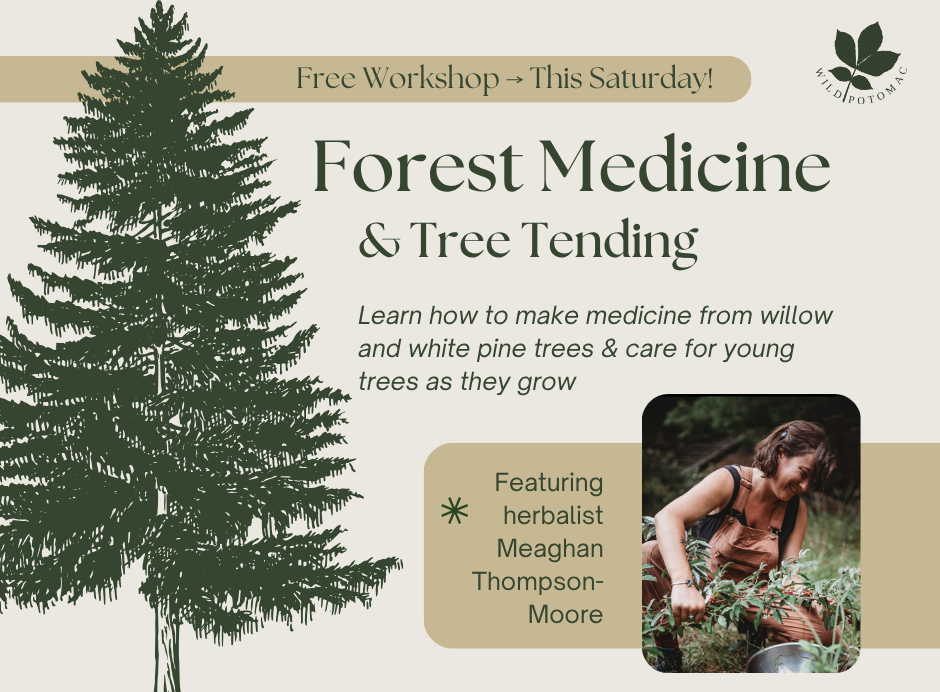
In June we ran our second Forest Medicine & Tree Tending event, this time in Hancock and featuring community herbalist Meaghan Thompson-Moore of Blooming Mountains Botanical Sanctuary. She taught us how to make medicine from willow and white pine, and we practiced the principles of honorable harvest as we took some willow from the creek in Widmeyer Park.
Tree Identification Walks
At the end of June, we returned to Hancock to lead a tree identification walk for 25 kids participating in an interfaith summer camp. They loved learning about their local trees and got to take home a packet of Tree ID cards to keep practicing their identification skills with.
What’s next?
In 2027, we’ll begin collaboratating with local residents to design a community food forest in Hancock and Cumberland. To sign up to be a part of the community-led design process, simply fill out a short form by clicking the button below.
Join one of our events in person!