

“All flourishing is mutual.”
– Robin Wall Kimmerer
Our Approach
We are healing the Potomac River watershed through transformational work at the intersection of nature and society. The core of our vision is mutual nourishment. By planting and tending native-species food forests and gardens, enhancing urban tree canopies, and supporting foraging and community-scale wild food processing, we help people and wildlife thrive together.
In all of our work, we embrace a gift economy model, offering our time, knowledge, and care as gifts to the watershed and its communities.
Our Theory of Change
At Wild Potomac, we understand that we won’t succeed in healing the natural world without healing our relationship to it. That’s why we embrace a distinctive approach to changemaking in our watershed. Taking inspiration from the prevalence of mutualism in nature, we work to foster gift relationships and gift economies: cycles of giving and receiving, motivated by gratitude and generosity, not obligation.
Gift relationships enable non-extractive approaches to meeting human needs, strengthen community, and increase resilience against the dislocations of the market economy. They help us (re-)learn that our health is inseparable from the health of the life around us. These shifts won’t happen overnight, but they are already underway. As more people and communities connect with an intrinsic motivation to support wildlife, they unlock new initiative, creativity, and power.
Gift relationships are characterized by respectful and generous participation, freely chosen, and that ethos is at the heart of everything we do at Wild Potomac. Rather than attempt to compel change through coercion or blame, each of our projects extends an invitation to give and receive.
Our Work
Wild Potomac is dedicated to projects that deepen the connection between people and our landscape throughout the Potomac River Watershed.
Hickory
Rooted
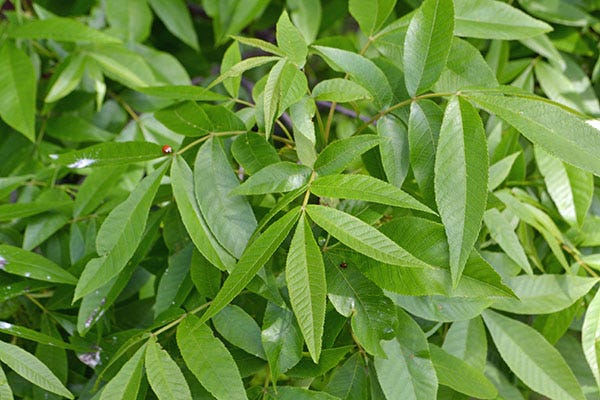
Community-scale gathering and processing of wild foods like hickory oil and acorn flour.
Wild
Towns
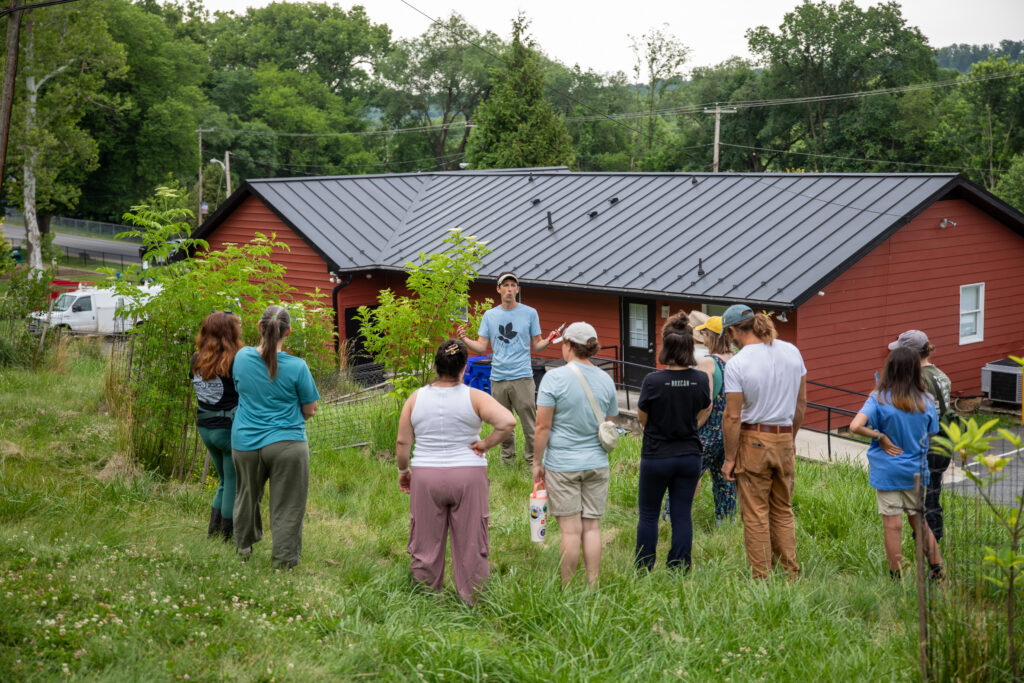
Helping towns and cities build vibrant urban tree canopies that nourish people and wildlife.
Lawns
to Life
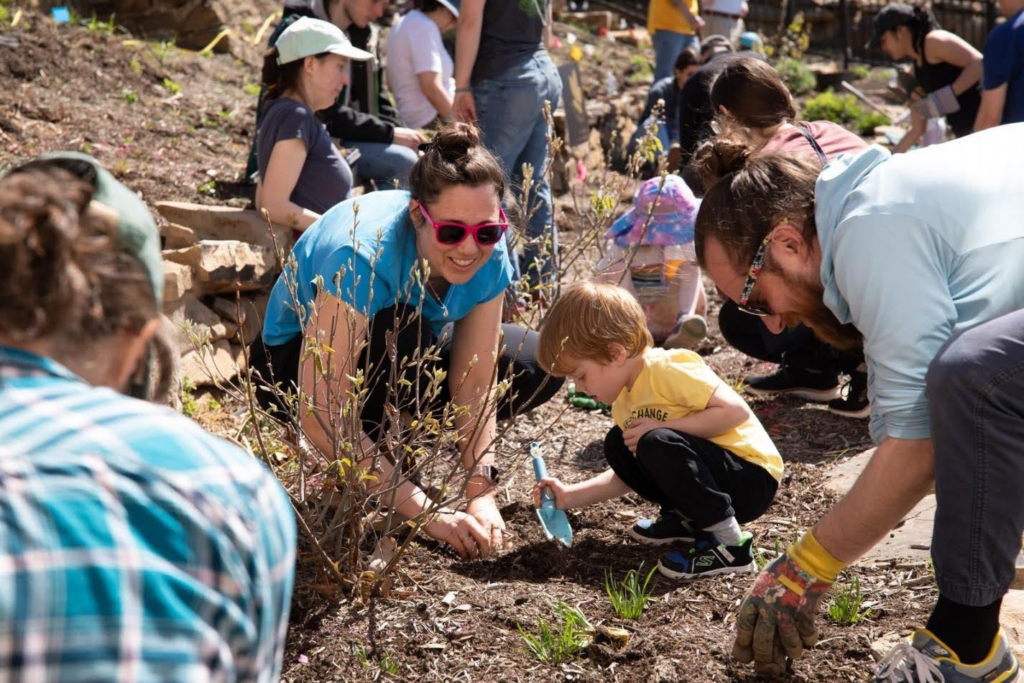
Converting lawns into diverse habitats where people and wildlife can thrive together.
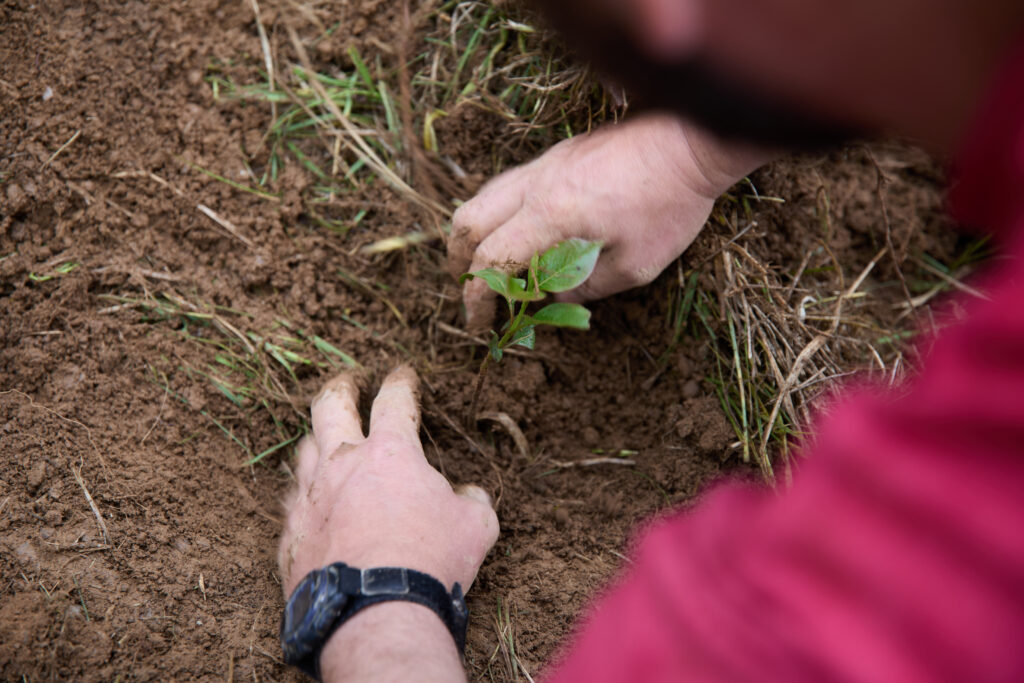
COMING SOON
Canopy Commons
A digital platform to support the growing bioregional gift economy in native tree foods.
Our Impact
Explore our work throughout the Potomac River watershed.
Meet Our Team

Neil Gormley
Executive Director
Neil Gormley oversees strategy and operations as founder and Executive Director of Wild Potomac. He is a naturalist, orchardist, and wild food enthusiast, and his life is interwoven with the river: Neil lives along the middle Potomac in Brunswick, Maryland; tends family land near the upper Potomac in Cumberland, Maryland; and previously lived and worked along the lower Potomac in Washington, DC. Before Wild Potomac, Neil spent 14 years as an environmental litigator at the non-profit Earthjustice, where he led coalitions of environmental and community groups in legal campaigns to tackle air and water pollution. Neil has a bachelors degree in foreign service from Georgetown University and a law degree from Harvard.
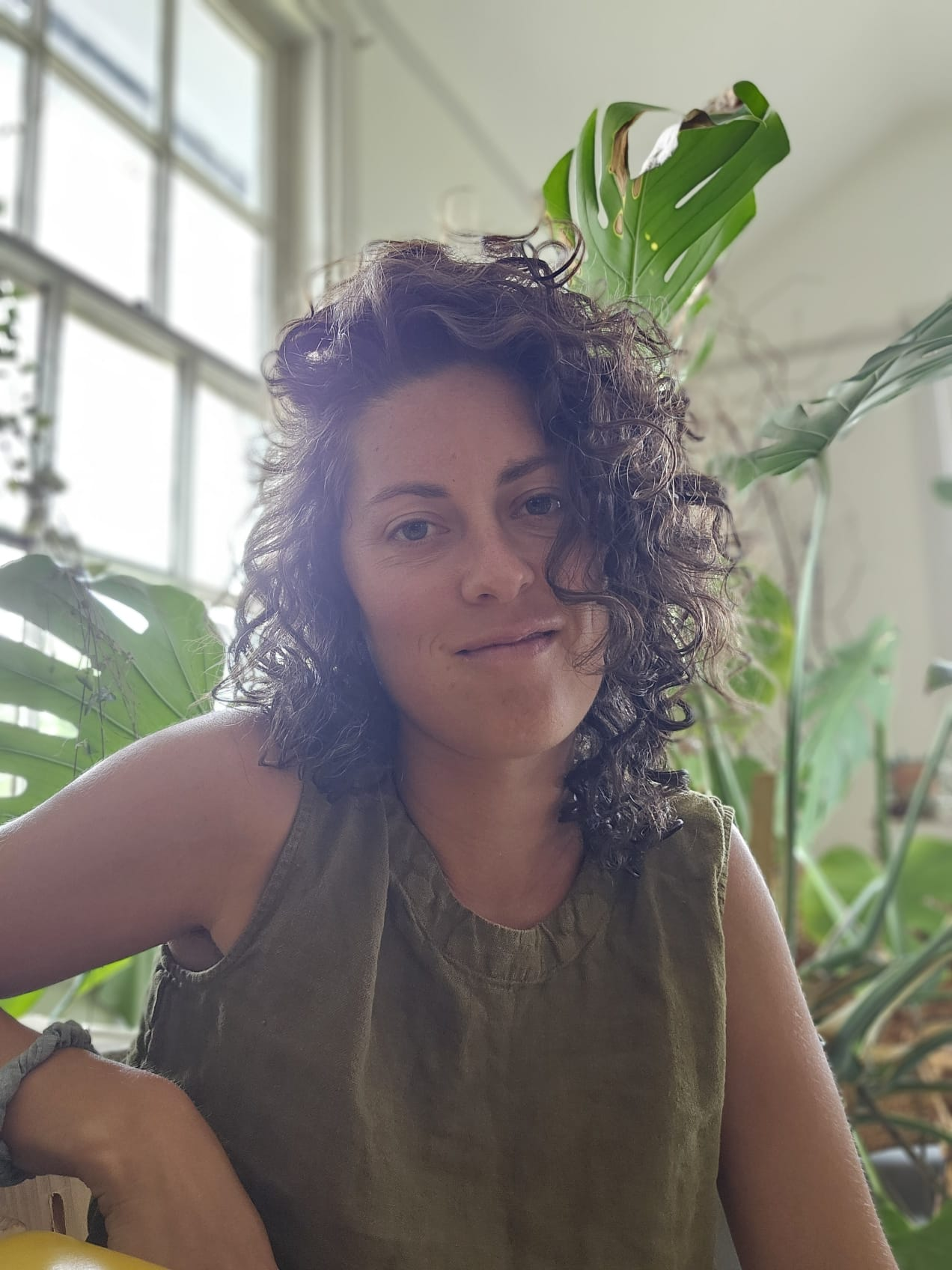
Em Chiappinelli
Event organizer
Em works as the events and community organizer for Wild Potomac’s Connecting with Local Trees event series. Em comes from an extensive background organizing gatherings, conferences, events, workshops, and volunteer initiatives that bring people into deeper connection with their landscape and equip them with the skills and tools we need to be able to be in closer relationship with the land. One of Em’s passions is finding local leaders and teachers who love their trade and their ecosystem and supporting them to share their skills and knowledge with the wider world.
To learn more about Em’s work, visit her website at www.everydayalive.com.

Ashley Wakeling
Intern
Ashley is a current graduate student at American University, specializing in international development with a focus on agriculture, climate, and water. She holds a bachelor’s degree in international relations from Rollins College, complemented by a minor in cultural anthropology. Ashley is passionate about sustainable food systems, ecological resilience, and native edible plants. Her academic interests are deeply connected to the belief that equitable, climate‑smart food systems are essential to community well‑being and long‑term environmental health.
From Ashley: “Wild Potomac has helped me to explore my passions, teach me new things, and gather a deeper understanding of how community and wildlife can come together to make an incredible impact.”
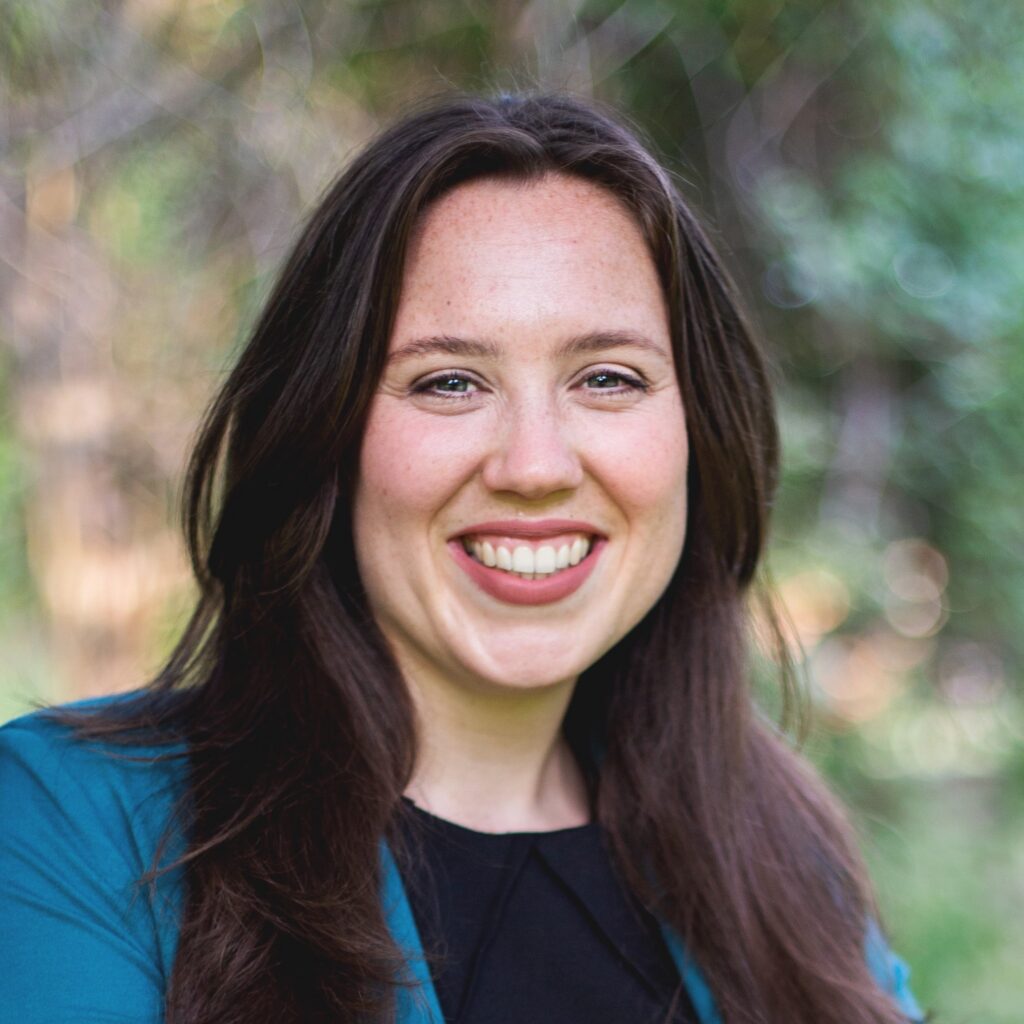
Hannah Debelius
Board Secretary
Having started her career in outdoor education in the Chesapeake Bay and serving for more than a decade as a volunteer in the C&O Canal National Historical Park, Hannah Debelius has grounded her professional and personal life on the banks of the Potomac. Hannah is currently dedicated to catalyzing energy efficiency and decarbonization in commercial buildings through managing strategic partnerships with building owners and operators in the U.S. Department of Energy’s Better Buildings Initiative. Previously, Hannah was the Sustainability Outreach and Communications manager at American University, helping AU to become the first major research university to achieve carbon neutrality, and she worked in the Center for Green Schools at USGBC. She earned a B.A. in environmental science with a concentration in policy from the College of William and Mary and a M.S. in sustainability management from American University.

Alex Darr
Board Treasurer
Alex Darr is an ecological restoration professional, permaculture expert, and certified arborist. Originally from Lovettsville, Virginia, he currently works as a natural resource engineer for Loudoun County Government. He has a bachelor’s degree in urban forestry and a master’s degree in landscape architecture, both from Virginia Tech. Alex’s work experience includes the management of ecological restoration initiatives at the watershed level down to individual sites, through stream restoration, wetland restoration, reforestation, and community outreach. His current work with Loudoun County government ranges from regulation of development projects to assistance with policy initiatives to improve environmental outcomes related to development. Alex brings a technical background of project management, GIS analysis, and ecological project implementation to the Wild Potomac Team.

Chris Rogers
Board Vice Chair
Chris Rogers is a human rights lawyer with over 15 years of experience in philanthropy, advocacy, grantmaking, strategy, and organizational development. Rogers brings deep expertise in developing and integrating complex, high-impact advocacy and grantmaking, building cross-sector partnerships to advance change. He currently serves as Branch Chief for Training and Policy Analysis at the U.S. Department of Defense Civilian Protection Center of Excellence, where he helps lead investigations, training, and policy development on civilian protection. Previously, Rogers was a Senior Program Manager at the Open Society Foundations, where he managed multi-million dollar grantmaking portfolios focused on security, rights, and accountability globally. He holds a BA from the University of Pennsylvania, an MPhil in International Development from Oxford University, and a JD from Harvard Law School.
We are grateful to our funders

Additional funding provided by:
U.S. Forest Service